With increasing emphasis on cybersecurity, deploying SSL certificates to implement HTTPS encryption is a crucial step for website operators to ensure network security. When using SSL certificates, you'll often encounter terms like SSL, TLS, SSL/TLS, and HTTPS. What do they represent, and how are they related?
I. What is SSL?
SSL stands for "Secure Sockets Layer." It's a network security protocol developed by Netscape in the mid-1990s. It's used for authentication between clients and servers, encrypting transmitted data, ensuring the confidentiality and integrity of transmitted data, and enabling secure communication between them.
SSL Versions:
The SSL protocol has undergone several version updates, primarily SSL 1.0, SSL 2.0, and SSL 3.0. SSL 2.0 had numerous security vulnerabilities and was therefore gradually phased out. While SSL 3.0 improved many security issues, it is no longer recommended for use.
II. What is TLS?
TLS stands for "Transport Layer Security." Due to security vulnerabilities in the SSL protocol, the Internet Engineering Task Force (IETF) introduced TLS in 1999. It provides stronger encryption algorithms and improved authentication methods and is considered the successor to SSL, representing a newer and more secure version.
TLS Versions:
The TLS protocol has gone through several versions to date: TLS 1.0, TLS 1.1, TLS 1.2, and TLS 1.3. TLS 1.0 and TLS 1.1 have been phased out because they no longer meet modern security requirements. Currently, TLS 1.2 and TLS 1.3 are widely used. TLS 1.3 is the latest version, significantly improving transmission speed and security, and simplifying the handshake process; it is the currently recommended version.
III. What is SSL/TLS?
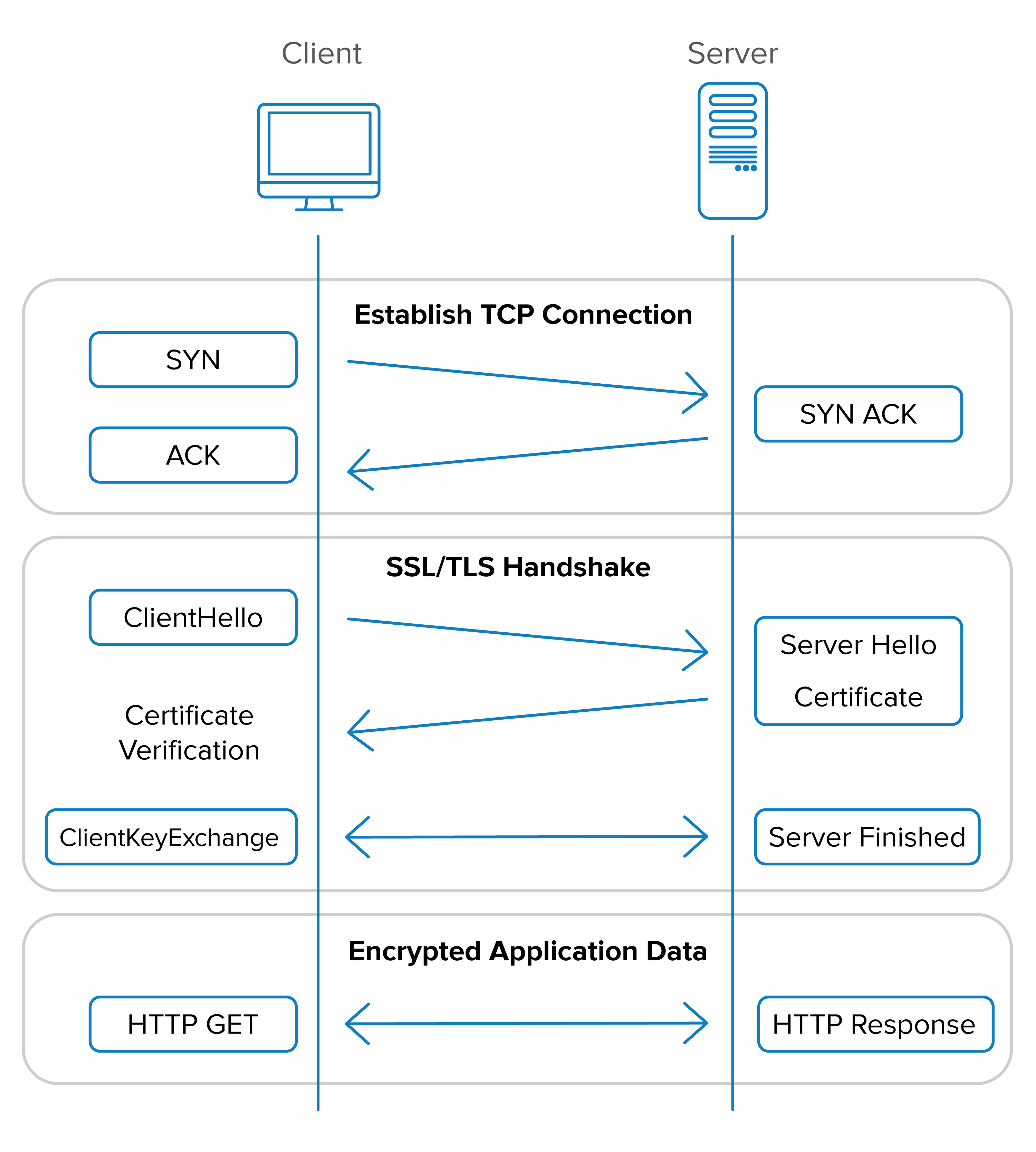
Through the above introduction to SSL and TLS, we can clearly see that SSL and TLS are actually different stages of the same thing, and SSL/TLS is simply a parallel name for different versions of this network security protocol.
The most common application of SSL/TLS is SSL/TLS certificates (also known as SSL certificates). Websites deploy SSL certificates to implement HTTPS encryption, ensuring the integrity and confidentiality of all data transmitted between the browser and the website server, effectively preventing interception and data tampering by man-in-the-middle attacks.
IV. What is HTTPS?
HTTPS, short for Hypertext Transfer Protocol Secure, is a global standard protocol for secure network communication. HTTPS is a secure version of HTTP. It communicates over HTTP but utilizes protocols such as SSL/TLS to achieve encrypted data transmission, integrity protection, and trusted identity verification, preventing data leakage or tampering and ensuring secure network communication between the client and server.
HTTPS is widely used on websites today, especially those involving sensitive data such as personal and payment information. By using HTTPS, websites can effectively defend against network security threats such as man-in-the-middle attacks. When users access a website through their browser, they will see "HTTPS" and a security lock icon in the browser's address bar, indicating that the website is secure and any sensitive information transmitted through it is encrypted and protected.
V. The Relationship Between SSL, TLS, SSL/TLS, and HTTPS
The relationship between SSL, TLS, SSL/TLS, and HTTPS is summarized as follows:
SSL vs. TLS: TLS is an upgraded version of SSL. While their functions are similar, TLS is more up-to-date, secure, and continuously updated. The term "SSL" is often used to refer to SSL/TLS as a whole.
HTTPS vs. SSL/TLS: HTTPS relies on SSL/TLS for encryption and authentication, and is considered a "secure enhancement of HTTP."
The relationship between them can be summarized by the formula: HTTPS = HTTP + SSL/TLS