-
 Domain Validation reuse period shortened by 199 days, effective February 25, 2026.
DigiCert certificate validity period shortened: 199 days; Domain Validation reuse period shortened by 199 days, effective February 25, 2026.
Views:5806
Author:AutonTrust
Time:2026-02-25 10:24:31
-
 Are robots afraid of "Q-day"? Post-quantum cryptography robots appear in Davos.
Recently, SEALSQ, a global semiconductor and security giant, made a big move at the 2026 Davos Forum – they brought a robot called “WISeRobot” to their roundtable discussion.
Views:7276
Author:AutonTrust
Time:2026-02-03 15:46:52
-
 The U.S. Cybersecurity and Infrastructure Security Agency (CISA) has released a list of post-quantum cryptography (PQC) technology products.
The technologies covered in this guide include: cloud services (such as PaaS and IaaS), collaboration software, web software (browsers and servers), and endpoint security tools (providing full-disk encryption and data at rest encryption capabilities).
Views:5600
Author:AutonTrust
Time:2026-02-03 15:31:26
-
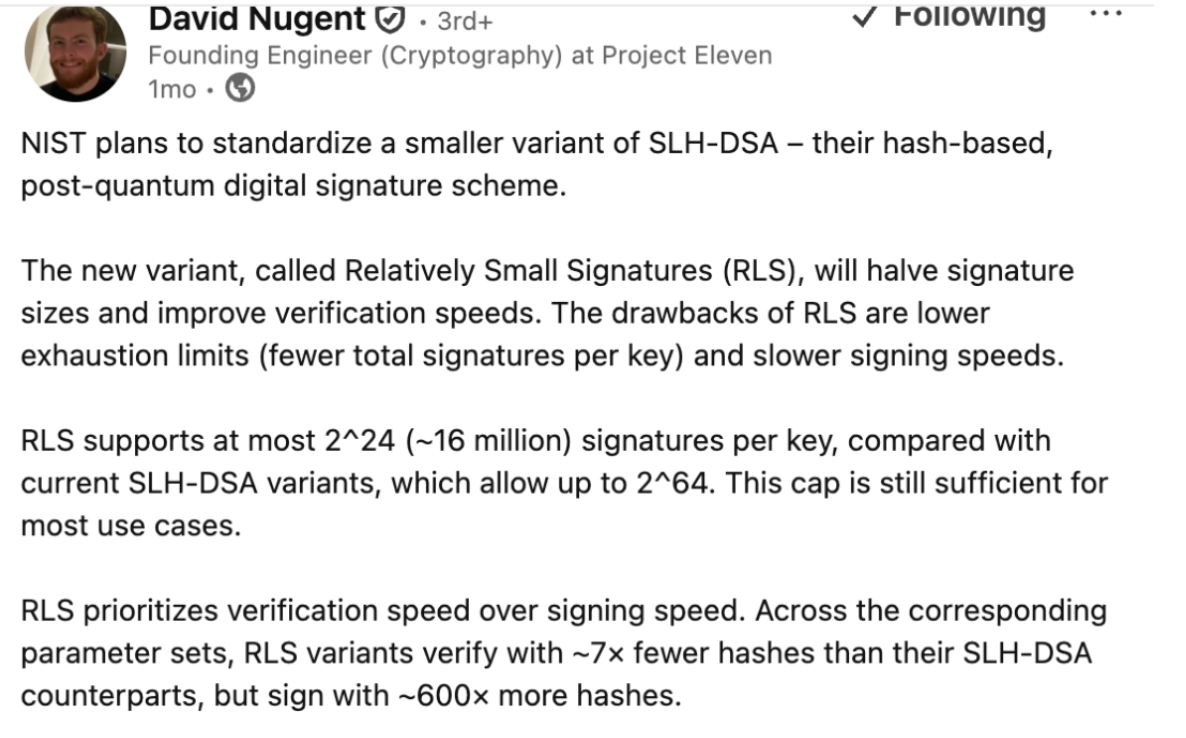 NIST plans to standardize a smaller version of SLH-DSA, a hash-based post-quantum digital signature scheme.
NIST plans to standardize a smaller variant of SLH-DSA- their hash-basedpost-quantum digital signature scheme.
Views:13687
Author:AutonTrust
Time:2026-02-03 15:21:37
-
 Let's Encrypt major changes countdown: TLS/SSL certificate validity reduced to 45 days, domain verification window shortened to 7 hours.
On December 2, 2025, Let’s Encrypt announced that it will further shorten the validity period of its publicly trusted TLS/SSL certificates from the current 90 days to 45 days by 2028. At the same time, the authorization reuse period for domain name verification will be shortened from the current 30 days to 7 hours.
Views:55036
Author:AutonTrust
Time:2026-02-03 15:08:17
-
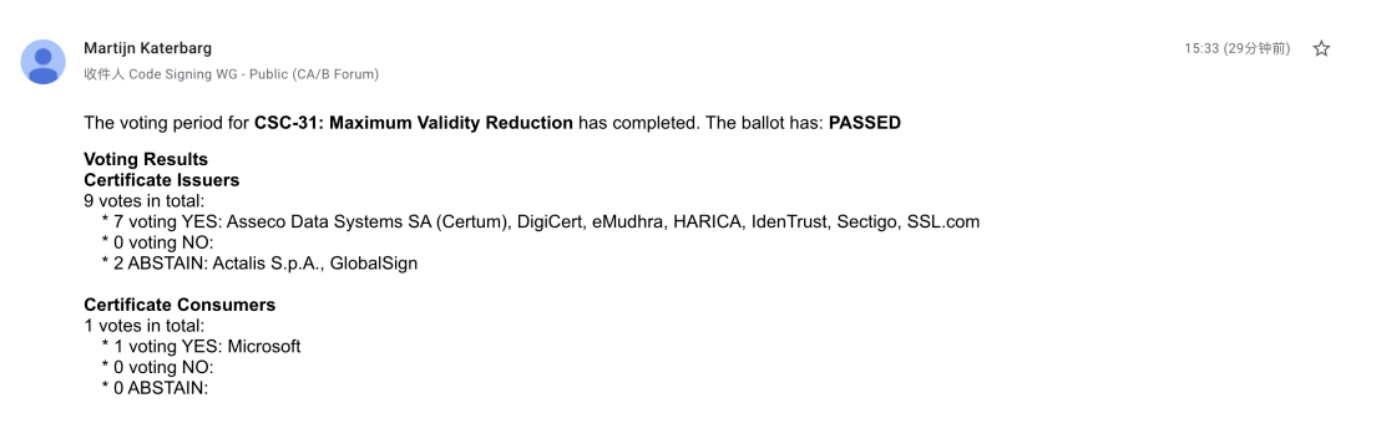 The validity period of code signing certificates has been drastically reduced to 460 days.
According to the proposal, the maximum validity period for publicly trusted code signing certificates will be significantly shortened from the current 39 months (approximately 3 years and 3 months) to 460 days (approximately 15 months). This means that the certificate management cycle for developers and enterprises will undergo a major change.
Views:43572
Author:AutonTrust
Time:2026-02-03 10:52:29
-
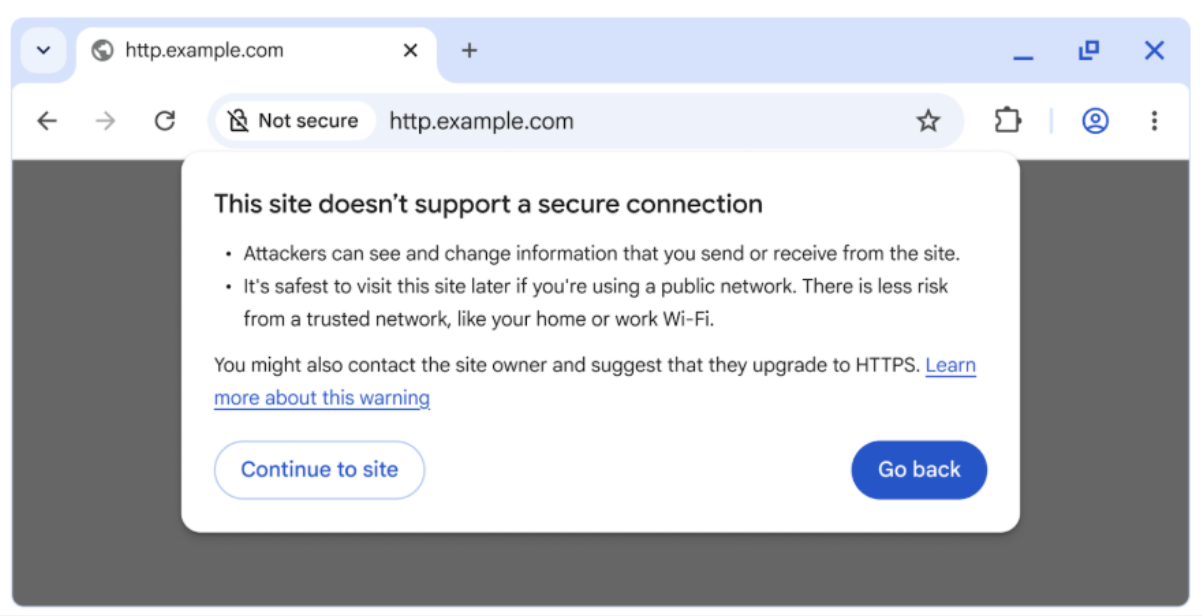 HTTP websites will be warned by Google Chrome!
Back in 2021, Google introduced an optional "HTTPS-First Mode" in Chrome and added an "Always Use Secure Connections" setting. This mode prioritizes attempting to establish a connection via HTTPS (Hypertext Transfer Protocol Secure) when accessing websites, and displays a bypassable security warning when HTTPS is unavailable.
Views:34666
Author:AutonTrust
Time:2026-02-03 10:44:15
SSL Certificate
SSL Certificate
Brand Certificate
Reading Ranking
- 1 Let's Encrypt major changes countdown: TLS/SSL certificate validity reduced to 45 days, domain verification window shortened to 7 hours.
- 2 The validity period of code signing certificates has been drastically reduced to 460 days.
- 3 HTTP websites will be warned by Google Chrome!
- 4 NIST plans to standardize a smaller version of SLH-DSA, a hash-based post-quantum digital signature scheme.
- 5 Are robots afraid of "Q-day"? Post-quantum cryptography robots appear in Davos.
- 6 Wildcard SSL Certificates vs. Multi-Domain SSL Certificates: How to Choose?
- 7 Answers to 8 Frequently Asked Questions about IP SSL Certificates
- 8 What are SSL? TLS? SSL/TLS? HTTPS?
- 9 Domain Validation reuse period shortened by 199 days, effective February 25, 2026.
- 10 Common SSL Error Causes and Solutions