1. Which is faster, HTTP or HTTPS?
In most cases, HTTP is faster than HTTPS. Both HTTP and HTTPS are built on top of the TCP protocol.
HTTP only requires a three-way handshake (approximately 22 milliseconds) to establish a TCP connection, and can then directly send HTTP requests. Once a request is received, the data is sent immediately; furthermore, there are no computationally intensive steps during the entire access process.
However, HTTPS, in addition to the TCP three-way handshake (approximately 22 milliseconds), also requires an SSL handshake (approximately 64 milliseconds), so HTTPS takes longer.
2. Which is more secure, HTTP or HTTPS?
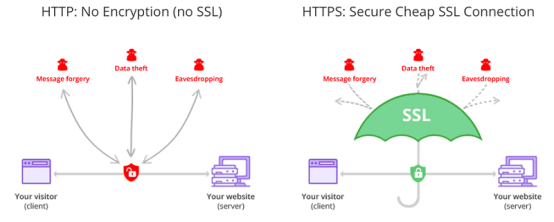
Undoubtedly, HTTPS is more secure. HTTPS means the server's identity has been authenticated, and any data transmitted is encrypted.
HTTP transmits data in plaintext, which allows malicious actors to spy on or modify it, meaning any sensitive information using this protocol is at risk. Therefore, HTTPS is more secure.
3. Do mainstream browsers prefer HTTP or HTTPS?
Taking three mainstream browsers as examples:
HTTPS is already the default setting for Google websites. In 2014, Google announced that it would include HTTPS as a ranking factor in search engine optimization (SEO).
Baidu announced on May 25, 2016, that HTTPS websites would have priority in ranking.
Firefox 83 released an "HTTPS-Only" mode.
4. What is the difference between an SSL certificate and HTTPS?
An SSL certificate is a product that you actually purchase and install on your server. HTTPS is the result and display effect of having that certificate.
5. Can a website use both HTTP and HTTPS simultaneously?
Actually, you can use both HTTP and HTTPS simultaneously. You can load some resources through a secure HTTPS connection and load other resources through an HTTP connection. Utilizing both protocols to serve content is called "hybrid content." However, it's important to note that most browsers are starting to block websites with hybrid content. Since Google supports HTTPS, it's best to switch entirely to HTTPS.
6. If I'm already using HTTPS, do I still need a VPN?
This isn't mandatory, but using both together provides greater security. If you want to ensure your internet access is secure and private, use HTTPS and a VPN. HTTPS provides encryption between the client and server, while a VPN encrypts data from your computer to the VPN server.