Based on the number of domains protected, SSL certificates are divided into single-domain SSL certificates, wildcard SSL certificates, and multi-domain SSL certificates. As the name suggests, a single-domain SSL certificate protects only one domain. However, both wildcard SSL certificates and multi-domain SSL certificates can protect multiple domains. So how do you choose?
I. Wildcard SSL Certificates and Multi-Domain SSL Certificates
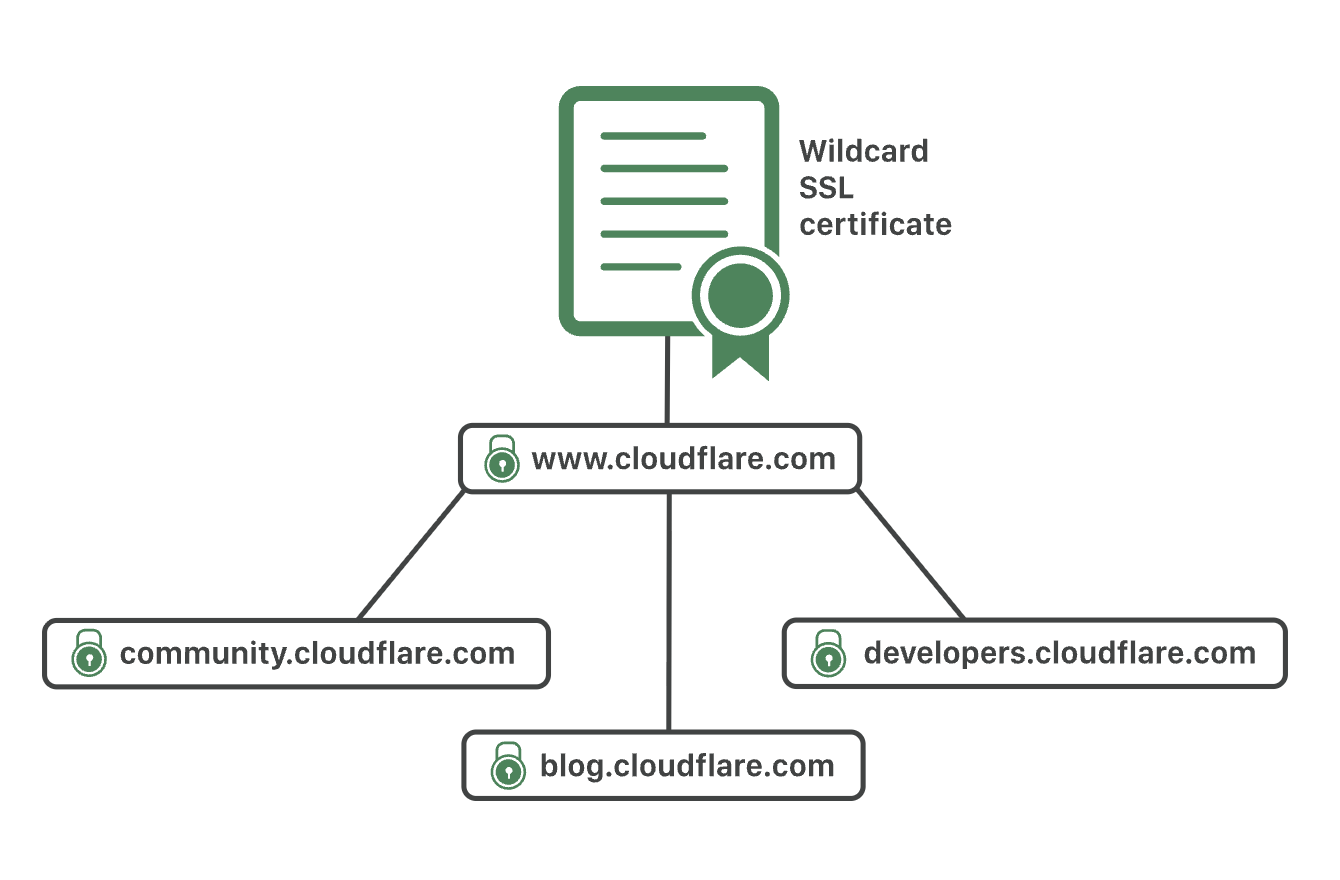
1. Wildcard SSL Certificates
A wildcard SSL certificate, also known as a wildcard domain SSL certificate, can protect a main domain and all its subdomains, enabling HTTPS for the main domain and subdomains. Subsequent additions of subdomains at the same level do not require re-approval or additional payment, offering high scalability, easy management, and cost-effectiveness.
2. Multi-Domain SSL Certificates
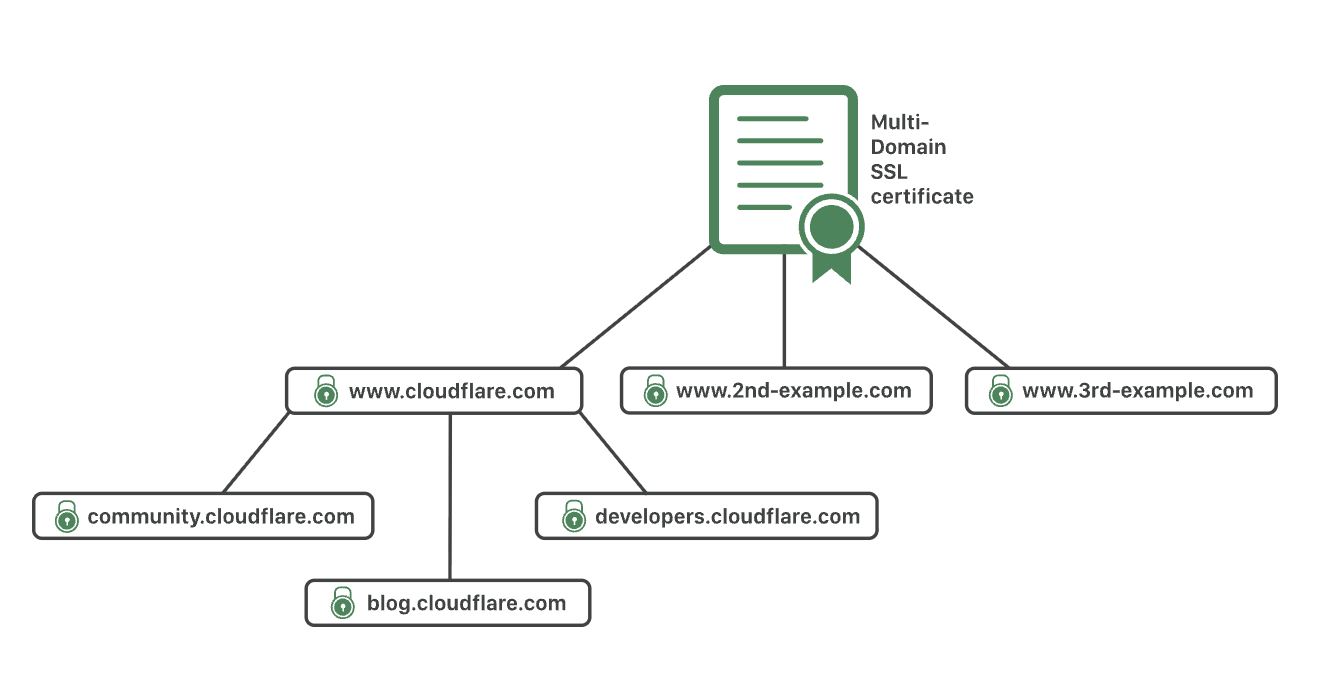
Multi-domain SSL certificates, also known as SAN SSL certificates, allow a single SSL certificate to protect multiple domains (Subject Alternative Names). They support adding multiple different domains, which can be main domains or subdomains. They feature a simplified verification process and convenient certificate management and renewal.
II. Wildcard SSL Certificates vs. Multi-Domain SSL Certificates
Both wildcard SSL certificates and multi-domain SSL certificates share the common advantages of providing protection for multiple domains with a single certificate, convenient management, and time and cost savings. However, they also have the following differences:
1. Differences in Functionality
A wildcard SSL certificate supports protecting one main domain and all its subdomains. Example of protected domains:
www.autontrust.com
web.autontrust.com
...
*.autontrust.com
A multi-domain SSL certificate supports protecting multiple completely independent domains, which can be different main domains or subdomains under different main domains. Example of protected domains:
www.example.com
blog.example.com
www.example1.com
2. Differences in Security Levels
Wildcard SSL certificates support DV (Domain Validation) and OV (Organization Validation) levels, suitable for small and medium-sized websites or scenarios with high subdomain security requirements, but do not support the highest security level, EV (Extended Validation).
Multi-domain SSL certificates cover all levels: DV (Domain Validation), OV (Organization Validation), and EV (Extended Validation). EV multi-domain SSL certificates offer the highest level of authentication and are suitable for scenarios with extremely high security and trust requirements, such as finance and e-commerce.
3. Differences in Use Cases
Wildcard SSL certificates are suitable for enterprises or organizations with multiple subdomains, such as a company website, blog, or online store all under the same main domain, and scenarios where subdomains need to be dynamically generated.
Multi-domain SSL certificates are suitable for enterprises that need to manage multiple different domains, such as group companies, multi-brand operations, or multinational businesses, and scenarios where multiple independent domains need unified management and protection.
4. Differences in Budget Costs
Wildcard SSL certificates can infinitely expand to second-level subdomains under the same main domain. Therefore, the more subdomains that need protection, the lower the budget cost per domain.
Multi-domain SSL certificates generally protect 2-3 different main domains or subdomains by default. Each additional domain requiring protection incurs an additional fee.